In a world overwhelmed by plastic, the quest for sustainable living has never been more urgent. A pivotal player in this movement is the biodegradable garbage bag, an eco-friendly alternative to traditional plastic. This comprehensive guide delves into the essentials of biodegradable bags, covering their components and environmental benefits and addressing common questions and misconceptions.
Whether you’re an eco-conscious consumer, an environmental activist, involved in waste management, or a proponent of sustainable lifestyles, understanding the importance of biodegradable garbage bags is crucial in our collective effort to protect the environment.
Table of Contents
What is a biodegradable bag?
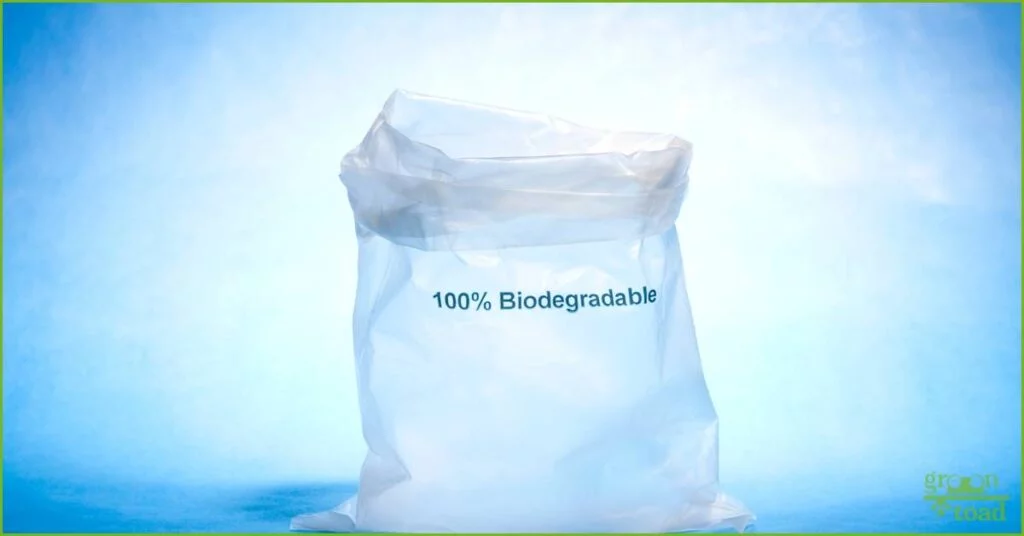
Biodegradable bags decompose into natural elements when sunlight, water, and microorganisms are exposed. Unlike traditional plastic bags, which take hundreds of years to break down, biodegradable trash bags offer an eco-friendly solution. These bags align with zero-waste goals and reduce the plastic footprint. Choose biodegradable trash bags for a greener, sustainable future.
What are biodegradable bags made out of?
Biodegradable bags often contain materials such as cornstarch, potato starch, or PLA (polylactic acid), which come from renewable sources and are compostable under the right conditions. These natural materials allow the bags to break down much faster and minimize releasing harmful toxins into the environment during decomposition.
Biodegradable bag benefits
Switching to biodegradable garbage bags comes with numerous advantages:
- Reduced landfill waste: They help decrease the amount of solid waste accumulating in landfills.
- Lowered carbon footprint: Manufacturing biodegradable bags requires less energy and produces fewer greenhouse gas emissions.
- Non-toxic decomposition: Because they’re made from natural materials, these bags tend to break down without leaving toxic residue.
Biodegradable bags have an environmental impact.
Biodegradable trash bags offer many environmental benefits, but their overall impact must be considered. In ideal composting conditions, these eco-friendly bags decompose more quickly, significantly reducing the long-term harm that plastic waste causes. Using biodegradable bags can help decrease plastic pollution and support a healthier planet.
How to tie a biodegradable bag
To prevent waste spillage, securely tie your biodegradable garbage bag like any other. Gather the top edges, twist them tightly, and knot the twist. This will ensure your biodegradable trash bag is closed and secure. Using eco-friendly garbage bags helps reduce your environmental footprint while managing waste efficiently.
How long do biodegradable bags take to decompose?
The decomposition rate of biodegradable bags depends on the materials used and the composting conditions. In optimal conditions, like commercial composting facilities, biodegradable bags can break down in a few months. However, this process may take a year or more in less controlled environments. Understanding how biodegradable bags decompose can help you make eco-friendly choices and reduce environmental impact. Learn more about biodegradable bags, composting, and sustainable living.
Are biodegradable bags compostable?
Yes, most biodegradable bags are compostable, meaning they can break down into carbon dioxide, water, and biomass without leaving any remaining microplastics. However, it’s important to note that they must be composted in proper facilities that sustain the conditions for complete decomposition.
Do biodegradable bags leave microplastics?
Biodegradable bags shouldn’t leave behind microplastics, as they are made from natural, organic materials. However, it’s crucial to distinguish them from “bioplastics” or “oxo-degradable” plastics, which may fragment into smaller pieces without completely breaking down.
What are the disadvantages of biodegradable bags?
Despite their many benefits, biodegradable bags also have certain disadvantages that must be considered.
- Composting requirements: Biodegradable bags often require specific conditions, such as those in industrial composting facilities, for proper decomposition. If disposed of incorrectly, they may not degrade as intended and could contribute to landfill waste.
- Higher costs: Biodegradable bags are typically more expensive to produce and purchase than traditional plastic bags, which can be a barrier to widespread adoption.
- Confusion and misuse: Consumers sometimes need help distinguishing biodegradable bags from conventional plastics, leading to improper disposal. Mislabeling or insufficient knowledge about proper disposal methods can undermine the environmental benefits.
- Limited durability: Biodegradable bags may not be as strong or durable as conventional plastic bags, making them less suitable for heavy or sharp waste.
- Potential for methane release: In anaerobic environments, such as landfills, the decomposition of biodegradable bags can produce methane, a potent greenhouse gas, thus potentially contributing to global warming.
Understanding these drawbacks is essential for making informed decisions and maximizing the environmental benefits of switching to biodegradable garbage bags.
Do compostable bags break down in landfills?
Compostable bags are designed to decompose in environments with specific conditions, such as adequate heat, moisture, and oxygen levels, typically found in industrial composting facilities. Unfortunately, these ideal conditions are often absent in landfills. Landfills are generally anaerobic environments, meaning they lack sufficient oxygen, which is crucial for the decomposition process of compostable materials. As a result, compostable bags are unlikely to break down effectively in landfills. They may persist for years without fully decomposing. This underlines the importance of proper disposal and composting practices to ensure compostable bags are given the right conditions to decompose.
Is 100% biodegradable the same as compostable?
While “biodegradable” and “compostable” are often used interchangeably, they differ. Biodegradable materials break down through natural processes involving microorganisms, such as bacteria and fungi, into water, carbon dioxide, and biomass. This can happen over various timelines and in different environmental conditions, including soil and water.
Compostable materials are a subset of biodegradable ones that break down under specific composting conditions, usually within a set timeframe. These conditions typically include controlled temperatures, humidity, and oxygen levels, often found in industrial composting facilities. Compostable items decompose into a non-toxic, nutrient-rich compost that enhances soil quality.
In summary, all compostable materials are biodegradable, but not all are compostable. The critical difference is in the decomposition and end product conditions. Understanding this helps ensure proper disposal and the environmental benefits of these materials.
What is the difference between biodegradable and compostable?
Although “biodegradable” and “compostable” are often used interchangeably, they have distinct meanings and implications for waste management and environmental impact. Biodegradable refers to materials that can break down through the natural action of microorganisms, such as bacteria and fungi, into essential substances like water, carbon dioxide, and biomass. This process can occur in various environments, including soil, water, and even less controlled landfill conditions, with the timeline varying widely depending on the material and circumstances.
In contrast, compostable materials are a specific type of biodegradable item designed to break down under particular conditions, like controlled heat, moisture, and oxygen, typically found in industrial composting facilities. Compostable materials decompose more predictably and within a shorter timeframe, turning into non-toxic, nutrient-rich compost that benefits soil health. The critical distinction is between the environmental conditions required for degradation and the outcome of the decomposition process. Understanding these differences is crucial for proper disposal and maximizing the ecological benefits of using biodegradable and compostable products.
Can compostable bags go into backyard compost?
Compostable bags can be added to backyard compost, but several factors are crucial for successful decomposition. Compared to industrial composting, which maintains optimal conditions, backyard composting often needs consistent high temperatures and controlled moisture. As a result, the bags may decompose slower in a home setup. Cut the bags into smaller pieces to increase surface area and mix well with other organic materials like kitchen scraps and garden waste to speed up the process. Maintain a balanced mix of greens and browns, and regularly turn the compost pile to aerate it. Ensure the bags are certified for home composting, as some are designed for industrial composting and may need to be more effective in a backyard setup. Following these steps can improve the chances that compostable bags will decompose appropriately in your home composting system.
Can you put biodegradable bags in food waste bins?
Biodegradable bags can be placed in food waste bins. Still, it is essential to verify the specific guidelines of your local waste management system. Some regions accept biodegradable bags for food waste collection. In contrast, others may prefer compostable bags due to their predictable decomposition under industrial composting conditions. It’s important to understand that not all biodegradable bags are created equal; some may leave residues or take longer to break down, impacting the quality of the resulting compost. Therefore, always check whether the biodegradable bags you are using meet the standards required by your local food waste collection program. By following these guidelines, you can help ensure that the organic waste collected is processed efficiently and sustainably.
Are Glad compostable bags compostable?
Glad compostable bags are marketed as fully compostable, which breaks into non-toxic, nutrient-rich compost under the right conditions. These bags meet standards like ASTM D6400, ensuring they decompose within a set timeframe in industrial composting facilities. However, in-home composting systems might need to break down more efficiently due to the lack of consistently high temperatures and controlled moisture. Glad compostable bags should be disposed of through municipal composting programs for best results. Always check local composting guidelines to ensure proper disposal.
Can you bury biodegradable bags?
Burying biodegradable bags is viable, but specific considerations must be taken to ensure effective decomposition. Biodegradable bags break down through the natural action of microorganisms present in soil, such as bacteria and fungi. When burying these bags, cutting them into smaller pieces is essential to increase the surface area exposed to microorganisms, thereby expediting the breakdown process. Additionally, the conditions of the burial site play a crucial role. A well-aerated soil with consistent moisture levels can help facilitate the decomposition.
In contrast, extremely dry or waterlogged soil may hinder the process. Not all biodegradable bags degrade at the same rate; some may decompose within a few months, while others can take several years, depending on the material composition and environmental factors. Consulting the manufacturer’s guidelines and ensuring the bags are certified as biodegradable for the specific conditions of your burial site can help achieve optimal results.
Why are biodegradable bags so expensive?
Biodegradable bags are often more expensive than conventional plastic bags due to several factors. First, the raw materials used to produce biodegradable bags, such as plant-based polymers or bioplastics, are typically more costly than traditional petroleum-based plastics. The extraction and processing of these sustainable materials require advanced technology and specialized equipment, driving up the overall manufacturing costs. Additionally, the production scale for biodegradable bags is currently smaller than that of conventional plastics, which means manufacturers cannot benefit from the same economies of scale. Research and development also play a significant role in the higher prices, as companies invest in innovation to improve the performance and degradability of these bags. Finally, certifications and compliance with stringent environmental standards add to the cost, ensuring that the end products meet regulatory requirements and consumer expectations for sustainability. Despite the higher upfront cost, biodegradable bags offer long-term environmental benefits, making them a worthwhile investment for a greener future.
Can you put biodegradable bags in the green bin?
In many municipalities, biodegradable bags can be placed in the green bin, typically used for garden clippings, leaves, and other green waste. However, checking your local waste management guidelines is crucial to ensure that biodegradable bags are permitted in your green bin. Some regions accept these bags because they are designed to break down naturally and complement the composting process of green waste. That said, not all biodegradable bags are created equal; some may contain additives that slow down decomposition or leave residues that can affect the compost quality. Therefore, verifying that the biodegradable bags you use are approved for green bin disposal and meet the required compostability standards can help maintain the integrity of the composting system and support environmentally responsible waste management practices.
Are there biodegradable grocery bags?
Biodegradable grocery bags are available and designed to break down more efficiently than conventional plastic bags. Made from plant-based materials like cornstarch and polylactic acid (PLA), these bags decompose into natural substances like water, carbon dioxide, and biomass when exposed to biological processes, moisture, and sunlight. They aim to reduce the environmental impact of traditional plastic bags, which can persist in landfills and oceans for centuries.
However, the effectiveness of biodegradable bags depends on the conditions they encounter. In industrial composting facilities, they break down quickly due to optimal conditions. In contrast, decomposition is much slower in landfills or the ocean due to less ideal conditions. Proper disposal through local composting programs is crucial to ensuring efficient breakdown. Meeting certified standards such as ASTM D6400 can help verify their environmental claims.
How do you dispose of compostable bags?
Disposing of compostable bags requires careful consideration to ensure they break down effectively and contribute to composting. Here are some critical steps for proper disposal:
- Check Local Composting Guidelines: Review your local composting guidelines before disposing of compostable bags. Different municipalities have varying rules about what can be included in their composting programs. Some may accept compostable bags in curbside green bins, while others might have separate collection points or specific requirements.
- Use Municipal Composting Programs: If your local waste management program accepts compostable bags, place them in the designated composting bin. Municipal composting facilities typically maintain the optimal heat, moisture, and microbial activity conditions needed to break down compostable materials effectively.
- Home Composting: If you choose home composting, ensure your compost pile maintains the necessary conditions for decomposition. To accelerate the breakdown process, chop or shred compostable bags into smaller pieces. Keep the compost pile well-aerated and moist. Be aware that home composting may take longer than in industrial facilities.
- Avoid Landfills and Recycling Bins: Do not dispose of compostable bags in regular trash or recycling bins. In landfills, compostable bags may not decompose appropriately due to the need for adequate oxygen and microbial activity. Similarly, recycling facilities must be equipped to process compostable materials, which can cause contamination issues.
- Certification Check: Ensure that your compostable bags meet recognized standards, such as ASTM D6400 or EN 13432. These standards certify that the bags will decompose under specified composting conditions. Certified bags are more likely to break down completely without leaving harmful residues.
Following these guidelines ensures that compostable bags contribute positively to waste management and environmental sustainability.
How long does it take for a biodegradable bag to decompose?
The decomposition time for a biodegradable bag varies widely based on its material and environmental conditions. In industrial composting facilities, bags made from cornstarch or polylactic acid (PLA) can break down within 3 to 6 months due to optimal heat, moisture, and microbial activity.
In less controlled environments like landfills or marine ecosystems, decomposition can take several years due to a lack of oxygen, varying temperatures, and reduced microbial activity. Home composting conditions, less intense than industrial ones, may see bags decompose in about 6 to 12 months.
Decomposition time also depends on whether the bag meets standards like ASTM D6400 or EN 13432, which ensure it breaks down within a specific period under composting conditions. Proper disposal through certified composting programs is recommended for efficient decomposition.
What is an alternative to biodegradable plastic bags?
An alternative to biodegradable plastic bags is reusable bags made from cloth, jute, or durable plastics. These reusable bags can withstand multiple uses, significantly reducing the need for single-use bags and minimizing plastic waste. Cloth bags, for instance, can be made from natural fibers like cotton or hemp, which are eco-friendly and can be washed and reused often. Jute bags are another sustainable option known for their strength and biodegradability. Additionally, some reusable bags are made from recycled materials, reducing waste.
Another option is compostable bags made from natural materials like paper or vegetable starches. Unlike biodegradable plastic bags, which may still contribute to microplastic pollution, compostable bags break down entirely into non-toxic components without leaving residues. Paper bags, derived from renewable resources, can be recycled or composted, making them a versatile option for reducing environmental impact.
Consumers can positively impact the environment by choosing these alternatives, reducing single-use plastics, and promoting sustainable waste management practices.
How do you know if a bag is biodegradable?
Identifying whether a bag is biodegradable involves examining several vital indicators and certifications. Here are some steps to help determine the biodegradability of a bag:
- Check for Certification Marks: Look for certification marks on the bag that indicates compliance with recognized standards. Certifications such as ASTM D6400 or EN 13432 confirm that the bag has been tested and meets the criteria for biodegradability and compostability under specific conditions. These marks are usually printed on the bag or its packaging.
- Material Composition: Biodegradable bags are typically made from natural materials like cornstarch, PLA (polylactic acid), or other plant-based substances. Check the product label or manufacturer’s website for information about the material composition. If the bag is made from traditional petrochemical-based plastics, it’s unlikely to be biodegradable.
- Product Labeling: Manufacturers’ honest labeling often includes information about the bag’s biodegradability. Look for statements that specify the bag will decompose under certain conditions, such as in industrial composting facilities.
- Manufacturer’s Information: Reputable manufacturers provide detailed product information, including environmental impact assessments and biodegradability tests. Visit the manufacturer’s website or contact customer service for more details about the bag’s biodegradability credentials.
- Biodegradability Claims: Be cautious of vague claims like “eco-friendly” or “green.” These terms are not regulated and do not guarantee that a product is biodegradable. Instead, look for explicit claims such as “biodegradable within 6 months in industrial composting conditions” and relevant certifications.
- Third-Party Testing: Some products undergo third-party testing by independent laboratories to validate biodegradability claims. Reliable products often feature these test results or endorsements from recognized environmental organizations.
By paying attention to these factors, consumers can make informed decisions and choose bags that offer environmental benefits through biodegradability.
Is it OK to throw away compostable items?
Throwing compostable items into regular landfill trash bins is generally not advisable. While these items are meant to break down naturally, they require specific conditions typically found in composting facilities. Landfills are often anaerobic (lacking oxygen), which slows decomposition and can release methane, a potent greenhouse gas. As a result, compostable items in landfills don’t break down as intended, defeating their purpose of reducing environmental impact.
For optimal results, compostable items should go to dedicated composting systems. To ensure efficient decomposition, industrial composting facilities maintain the necessary temperature, moisture, and aeration. Home composting can also work for many compostable items. Still, the process might be slower and less thorough than in industrial facilities.
Therefore, it is best to dispose of compostable items through proper composting channels rather than landfills. This practice maximizes their environmental benefits, contributing to healthier soil and reducing methane emissions from waste.
Do compostable bags break down into microplastics?
Compostable bags are specifically designed to avoid microplastics forming during their decomposition process. Unlike traditional biodegradable plastic bags that may eventually break down into microplastics, compostable bags are made from natural materials, such as cornstarch, vegetable starches, or other plant-based substances, which decompose fully into non-toxic components. When disposed of in appropriate composting environments, these bags break down into organic matter, carbon dioxide, water, and biomass without leaving any harmful residues.
In industrial composting facilities, which provide the necessary conditions of heat, moisture, and aeration, compostable bags can decompose within a few months, turning into nutrient-rich compost. Even in home composting setups, while the process may take longer, compostable bags eventually degrade without producing microplastics. This makes them a more environmentally friendly option than their biodegradable counterparts, ensuring a cleaner and healthier ecosystem by preventing the accumulation of microplastic pollution.
Why won't Amazon ship compostable bags to California?
Amazon’s policy of not shipping compostable bags to California is mainly due to the state’s strict environmental regulations and labeling requirements. California enforces rigorous standards for products to be marketed and sold as compostable. Specifically, CalRecycle oversees advertising and labeling laws, requiring compostable products to break down according to state regulations, which include specific time frames and environmental conditions.
Given these strict guidelines, companies like Amazon may restrict the sale of compostable bags in California to avoid legal and financial issues if the products do not comply with the state’s standards. Differences between state and federal compostability standards can complicate compliance, leading to cautious business practices.
Additionally, California’s Prop 65 requires businesses to provide warnings about significant exposures to harmful chemicals. While not directly related to compostable certifications, it reflects the state’s high environmental and health standards, adding more compliance layers for companies.
To mitigate risks and ensure products meet their environmental claims, Amazon withholds compostable bags from shipment to California, awaiting more evident standards or further assurances from manufacturers regarding compliance.
Can you put compostable bags in Green Bin, California?
In California, the ability to put compostable bags in the green bin depends on local waste management guidelines. Many areas have green bin programs for organic waste, including yard trimmings, food scraps, and sometimes compostable bags. However, acceptance of these bags varies by jurisdiction due to different composting processes and facility capabilities.
Before disposing of compostable bags in a green bin, it’s essential to check with your local waste management authority to ensure they accept them. Some facilities may only accept specific types of compostable bags that meet standards like ASTM D6400, which verifies their compostability in an industrial setting.
To maximize environmental benefits and ensure proper composting, residents should follow local guidelines and use certified compostable bags for green bin programs. By adhering to these regulations, Californians can contribute to a more effective composting process and help reduce landfill waste.
Do compostable bags break down in landfills?
Compostable bags do not break down effectively in landfills due to the lack of necessary conditions required for composting. Landfills are typically anaerobic environments, meaning they lack the oxygen for organic materials to decompose properly. Compostable bags are designed to break down in conditions that provide adequate heat, moisture, and aeration—typically found in industrial composting facilities. Without these conditions, compostable bags in landfills decompose very slowly, releasing methane, a potent greenhouse gas, in the process. Therefore, disposing of compostable bags in landfills negates their environmental benefits and contributes to ongoing waste management challenges. Disposing of compostable bags through designated composting channels is best to ensure they break down efficiently and sustainably.
In conclusion, biodegradable garbage bags offer a promising solution to reducing the impact of our waste on the environment. We contribute to a more sustainable, cleaner planet by incorporating them into our daily routines. Remember to check your local waste management guidelines to ensure you’re disposing of biodegradable trash bags correctly, as proper disposal is vital to their environmental benefits.